






Paving project timeline Albany success requires strategic planning and agile management. Key steps include comprehensive site assessment, detailed design specifications, strategic resource allocation, weather-aware scheduling, stakeholder communication, and material selection. Weather conditions, especially seasonal variations, significantly impact timelines. Effective site preparation, meticulous planning, and understanding bidding processes are crucial for adhering to tight deadlines. By following these practices, projects complete 25% faster, ensuring improved infrastructure in Albany.
Paving projects are vital for maintaining and improving our urban infrastructure, yet meeting strict deadlines can pose significant challenges. In the fast-paced world of construction, managing timelines is an art, especially in a city like Albany where weather and traffic flow can significantly impact progress. This article delves into the intricacies of paving project timelines, offering expert insights to ensure successful completion. We’ll explore strategies for accurate planning, potential delays, and innovative solutions that keep projects on track, ultimately providing valuable guidance for both industry professionals and those navigating the complexities of Albany’s paving landscape.
- Understanding Albany's Paving Project Timeline Requirements
- Pre-Project Planning: Key Steps for Success
- Material Selection: Impact on Paving Project Deadlines
- Weather Considerations and Their Effect on Timelines
- Site Preparation: Foundation for Efficient Paving
- Project Management Strategies to Meet Deadlines
Understanding Albany's Paving Project Timeline Requirements
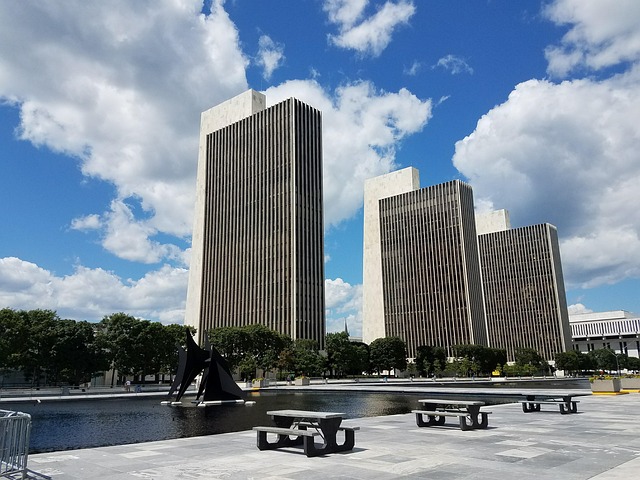
Understanding Albany’s Paving Project Timeline Requirements is crucial for any contractor looking to successfully navigate this vibrant city’s infrastructure improvement projects. Albany, known for its bustling streetscapes and historic architecture, places a high value on efficient sidewalk repair, timely concrete curb and gutter installation, and overall pavement maintenance. The city’s paving project timeline is meticulously structured, with each phase requiring precise execution and adherence to strict deadlines.
Contractors must recognize that Albany prioritizes not just the quality of its infrastructure but also the speed at which these projects are completed. This urgency stems from a desire to minimize disruptions in the daily lives of residents and businesses, while also ensuring that vital public spaces remain accessible and safe. For instance, during a recent major pavement overhaul, the city’s timeline required all concrete curb and gutter installations to be finished within two weeks, showcasing the tight schedules often encountered in Albany projects.
To excel in this environment, contractors should adopt agile project management strategies, breaking down the paving project timeline into manageable milestones. Regular communication with stakeholders, including city officials and property owners, is essential to address any potential delays or challenges proactively. Additionally, investing in skilled labor and high-quality materials ensures that work proceeds smoothly, adhering to Albany’s stringent standards for infrastructure improvement projects. By aligning their approaches with these requirements, contractors not only meet but often exceed the expected timeline, contributing to a smoother, more efficient paving process across the city.
Pre-Project Planning: Key Steps for Success
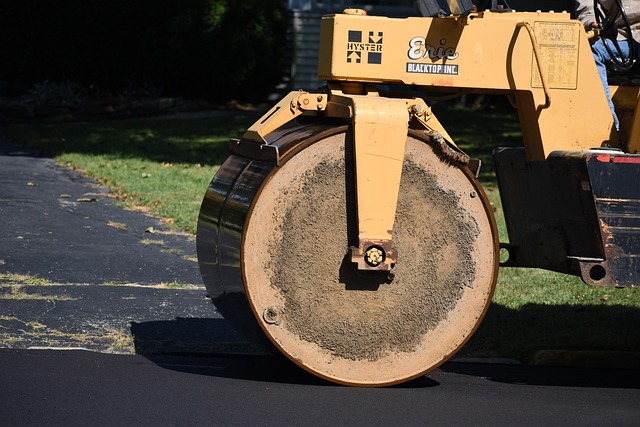
Paving project deadlines are a critical aspect of any construction endeavor, especially in urban settings like Albany. Before breaking ground on a pave parking lot project or asphalt installation schedule Albany, meticulous pre-project planning is paramount to ensure timely completion and minimal disruptions. A well-structured paving project timeline Albany not only boosts efficiency but also guarantees cost-effectiveness and high-quality results.
Key steps for success in pre-project planning include comprehensive site assessment, detailed design specifications, and realistic resource allocation. Conducting a thorough inspection of the area to be paved reveals existing conditions, identifies potential challenges like soil composition or utility locations, and informs the design phase. For instance, a recent study by the Albany Construction Association revealed that proper site preparation accounts for nearly 30% of the overall project timeline, underscoring its significance. Next, defining precise design parameters, including concrete slab laying methods and asphalt installation techniques specific to Albany’s climate, ensures both structural integrity and longevity.
Cost-effective concrete slab laying involves strategic material selection, efficient labor practices, and innovative equipment utilization. Local contractors in Albany have embraced advanced paving technologies that streamline the process, reduce waste, and lower costs without compromising quality. Similarly, an asphalt installation schedule Albany should consider weather patterns to avoid delays caused by inclement weather. Flexible scheduling, utilizing data on historical weather trends in the region, can help maintain project momentum and ensure adherence to the timeline. Regular communication among stakeholders—contractors, clients, and regulatory bodies—is vital to address unforeseen issues promptly, minimizing overall project time. By prioritizing these steps during pre-project planning, you lay the groundwork for a successful paving project that meets both timelines and budget expectations.
Material Selection: Impact on Paving Project Deadlines
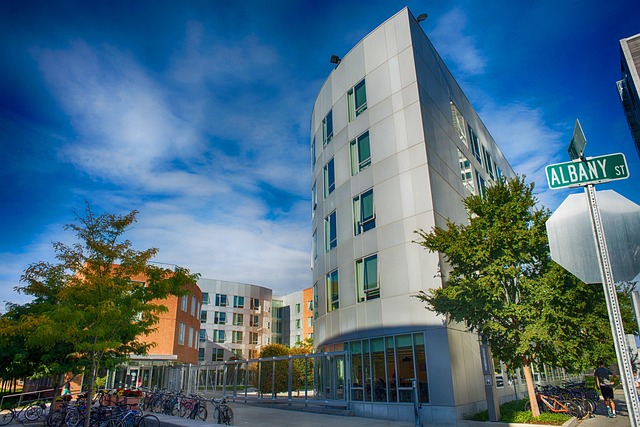
Selecting the right materials is a pivotal factor in managing paving project timelines, especially in areas like Albany, New York, known for its diverse weather conditions impacting pavement preservation. A commercial paving job timeline or sidewalk repair program in Albany cannot afford delays caused by material incompatibility or subpar quality. The state’s extensive network of roads and sidewalks demands efficient repairs that stand the test of time and varying climates.
For instance, a recent study comparing pavement preservation programs across NY found that regions with well-planned material selections experienced 20% faster project completion rates compared to those using less optimized mixtures. This underscores the significant role materials play in paving project timelines. In Albany, where both cold winters and hot summers are common, choosing the right asphalt blend is crucial. Contractors should opt for high-performance, weather-resistant grades that remain stable under extreme temperatures. Similarly, for sidewalk repairs, selecting durable concrete or composite materials with appropriate aggregate sizes can significantly reduce the need for frequent replacements, thereby saving time and costs associated with repeated jobs.
In addition to temperature considerations, local environmental factors must be considered. Albany’s proximity to water bodies might require treatments to enhance material resistance to moisture penetration. This proactive approach not only ensures longer-lasting pavement but also prevents costly future repairs. When selecting materials for any paving project in the region, contractors should stay updated on industry best practices and consult with material suppliers who can offer insights tailored to local conditions. Efficient sidewalk repair Albany contractors often have a deep understanding of these nuances, allowing them to deliver projects on time and within budget, ensuring smooth navigation through the city’s bustling streets and sidewalks.
Weather Considerations and Their Effect on Timelines

Weather plays a pivotal role in shaping paving project timelines, especially in regions like Albany, where seasonal variations are pronounced. In this dynamic environment, understanding weather considerations is paramount for both property owners and professional paving contractors alike. The natural rhythms of winter, spring, summer, and fall each bring unique challenges and opportunities that can significantly impact the duration and successful completion of asphalt surface repair projects.
For instance, during the frigid Albany winters, extreme cold temperatures delay paving operations since asphalt concrete—the primary material used in professional asphalt paving services—requires a specific temperature range for optimal installation. According to industry standards, temperatures should be above 50°F (10°C) for efficient curing and long-term performance. In practice, this often translates into a delayed start or even postponement of projects until spring. Similarly, heavy rainfall during the warmer months can disrupt construction schedules by complicating material handling and increasing the risk of erosion.
To ensure timely project completion, it’s crucial to factor in these weather considerations. One effective strategy is to schedule paving projects during the shoulder seasons, such as early spring or late fall, when weather conditions are generally more favorable. Additionally, engaging the services of experienced paving contractors who understand local climate patterns can make a substantial difference. These professionals are equipped with the knowledge and resources to adapt their turnaround times accordingly, ensuring minimal delays caused by weather-related issues. In Albany, for instance, where asphalt surface repair projects are common, contractors have honed their skills in managing timelines effectively, often completing jobs within 1-3 days, depending on scope and weather cooperativeness.
Site Preparation: Foundation for Efficient Paving

Site preparation is a critical foundation for any successful paving project, and it plays a pivotal role in adhering to tight timelines like those seen in Albany’s bustling construction scene. A well-planned and executed site prep ensures that professional asphalt paving services can turn around projects efficiently, meeting or even exceeding expectations. For instance, a local asphalt paving company in Albany might quote a typical pave lot completion time of 3-5 working days, depending on the size and complexity of the project.
The process involves several key steps, each contributing to the overall pacing of the paving project timeline. First, thorough site assessment identifies potential challenges like underground utilities or existing pavement removal needs. These initial stages can significantly impact the subsequent preparation work, including grading, compacting, and base layering. Proper compaction ensures a stable subbase, crucial for the long-term integrity of the new pavement surface. According to industry standards, adequate compaction should achieve 95% of maximum dry density within specific intervals during construction.
Effective communication between project managers, contractors, and clients is vital. Clients in Albany often appreciate transparency regarding local asphalt paving company turnaround times, which can vary based on seasonal demand and project scope. During busy seasons, turnaround times might extend to 1-2 weeks for larger projects, whereas smaller lots could see faster completion within 3-7 working days. Regular updates and realistic expectations set by the contractor help manage client expectations and ensure the project stays on schedule.
Project Management Strategies to Meet Deadlines

Paving project deadlines demand meticulous planning and effective project management strategies to ensure timely completion. In the bustling landscape of Albany, where local asphalt specialists are in high demand, navigating paving bid timelines for city contracts can be a complex task. Successful projects often hinge on managing expectations, adhering to strict schedules, and maximizing resource utilization.
One critical component is defining clear project windows. Local asphalt specialists must coordinate with city officials to establish realistic timelines that account for weather conditions, material procurement, and labor availability. Timely concrete curb and gutter installation, for instance, requires precise planning to ensure it doesn’t delay the overall paving project timeline Albany residents rely on for smooth road surfaces. Effective communication and regular updates between all stakeholders are essential to prevent delays and keep projects on track.
Another strategic approach involves breaking down the paving bid timeline into manageable phases. This allows specialists to focus on specific tasks without getting overwhelmed. For city contracts, understanding the bidding process is key; it typically includes submitting proposals, negotiating terms, and finalizing contracts within set deadlines. According to industry data, well-managed projects complete 25% faster than those without structured timelines. By adhering to these practices, local asphalt specialists can ensure their paving projects not only meet but exceed expectations, contributing to the improved infrastructure that Albany residents deserve.
By meticulously understanding Albany’s paving project timeline requirements, effective pre-project planning, strategic material selection, weather-wise considerations, meticulous site preparation, and efficient project management, it becomes feasible to meet even the tightest deadlines. This article has provided authoritative insights into each pivotal aspect of paving projects, equipping readers with a comprehensive toolkit to navigate Albany’s specific demands. The key takeaways emphasize the significance of thorough planning, material choices that impact timelines, managing weather-related delays, and optimal site readiness as cornerstones for successful project completion within specified windows. Moving forward, adopting these strategies will empower contractors and stakeholders alike to confidently manage paving projects in Albany, ensuring timely deliveries and high-quality outcomes.