
Paving project timeline Albany success relies on strategic planning, weather-conscious scheduling, and material selection. Contractors like HMA Contracting Corp integrate these factors for efficient execution, cost management, and high-quality outcomes. Key strategies include flexible timelines, advanced project management software, lifecycle cost analysis of materials, respectful integration with historical architecture, transparent financial reporting, and meticulous budgeting.
Paving projects are integral to urban development and community infrastructure, ensuring safe and efficient transportation. However, managing these projects effectively is a complex task, often fraught with challenges related to timeline and cost estimation. In Albany, where weather conditions can significantly impact construction, accurate planning becomes even more critical. This article delves into the intricacies of paving project timelines and costs, offering valuable insights for stakeholders. We explore factors influencing duration and budget, provide industry best practices, and present a structured approach tailored to Albany's unique context, ensuring successful project delivery.
- Understanding Paving Project Timelines in Albany
- Pre-Project Planning & Cost Estimation Methods
- Material Selection and Its Impact on Budget
- Construction Phases: From Prep to Finish Line
- Cost Management Strategies for Efficient Paving Projects
Understanding Paving Project Timelines in Albany
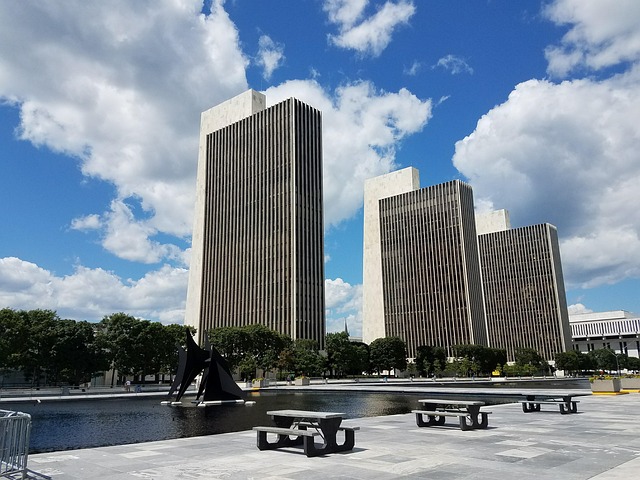
Understanding Paving Project Timelines in Albany is a critical aspect of any road construction or renovation project. The city's unique climate and geographical features introduce specific challenges that can significantly impact project duration. Weather delays in Albany paving projects are a common occurrence, with seasonal fluctuations affecting both construction and material availability. For instance, cold weather can slow down the laying of asphalt, while heavy rainfall may halt work altogether to prevent damage to newly paved surfaces. As such, local contractors like HMA Contracting Corp at 535 Brickyard Road Schaghticoke, NY 12154, have adapted their paving project timeline Albany strategies to accommodate these factors.
A typical paving project in Albany can range from several weeks to a few months, depending on the scope of work and weather conditions. For residential road paving services, a cost estimate in Albany might start from $30 per square yard, but this can increase to as much as $100 or more for commercial projects involving complex designs or specialized materials. The variability in costs is influenced by market fluctuations, project complexity, and the need for additional services like excavation, subbase preparation, and road markings. It's essential to secure detailed estimates from reputable contractors to ensure budgetary accuracy and avoid unexpected delays or expenses.
To manage paving project timeline Albany effectively, both contractors and clients should prioritize communication and flexibility. Regular check-ins with your contractor can help track progress, anticipate weather delays in Albany paving projects, and make informed decisions to stay on schedule. Additionally, understanding the road paving services cost estimate Albany beforehand enables better financial planning and allows for adjustments as needed. By embracing these strategies, you can ensure that your paving project is completed efficiently, within budget, and with minimal disruptions to your community or daily routines.
Pre-Project Planning & Cost Estimation Methods

Paving project timelines and cost estimation methods are critical components of any successful infrastructure development, particularly in urban areas like Albany. Efficient sidewalk repair Albany contractors rely on meticulous pre-project planning to ensure timely completion. This involves a comprehensive understanding of the scope, site conditions, and potential challenges unique to each project. By accurately assessing these factors, contractors can develop realistic paving project timelines that meet client expectations while ensuring high-quality results.
One proven method for cost estimation is the use of historical data and industry benchmarks. Analyzing past projects in similar settings allows contractors like HMA Contracting at 518-664-1014 to identify potential cost drivers and allocate resources effectively. For instance, factors such as weather conditions, accessibility, and material availability can significantly impact paving project timelines Albany specifically. By factoring these into the estimation process, contractors can anticipate delays and adjust their schedules accordingly, ensuring concrete pouring is completed within 1-3 days, as needed.
Additionally, utilizing advanced software tools for project management and cost tracking enhances accuracy and efficiency. These platforms enable real-time updates on material procurement, labor allocation, and equipment utilization, allowing for dynamic adjustments to paving project timelines. Timely completion of concrete pouring, a crucial phase in any paving project, can be achieved through this integrated approach, ensuring projects are completed promptly without compromising quality.
In summary, successful paving project timelines in Albany necessitate a blend of thorough pre-project planning, leveraging historical data, and adopting modern project management tools. Contractors who employ these strategies not only meet client expectations but also contribute to the city's vibrant infrastructure landscape, fostering efficient mobility and community development.
Material Selection and Its Impact on Budget

In paving project planning Albany, material selection is a critical factor that significantly influences both timeline and budget. The choice of pavement materials directly correlates with the overall project duration and cost, necessitating careful consideration. For instance, while timely asphalt overlay installation can extend the life of existing roads and reduce long-term maintenance costs, premium materials like high-tenacity fiber-reinforced asphalt (HTFRA) may come at a higher upfront price but offer superior durability and reduced future repairs.
As pavement repair project duration varies based on material type and extent of damage, understanding the lifecycle costs is essential. In many cases, investing in higher-quality materials at the outset can mitigate the need for frequent repairs or premature replacement, thereby saving money in the long run. According to industry data, asphalt pavements with proper maintenance can last 20-30 years, while concrete lasts even longer, but initial installation and material costs differ substantially. For a pave parking lot project in Albany, choosing recycled asphalt concrete (RAC) not only reduces environmental impact but also offers cost savings of up to 15% compared to traditional asphalt.
Expert advice for efficient paving project management suggests aligning material selection with the specific needs of the site and its expected service life. In areas like Albany where weather conditions vary, selecting materials that withstand extreme temperatures is crucial. Additionally, considering local availability and supplier networks can streamline delivery schedules and ensure timely project completion. For instance, in a well-planned pavement repair project duration, using locally sourced materials not only reduces transportation costs but also allows for faster installation, minimizing disruptions to traffic flow and nearby businesses.
Construction Phases: From Prep to Finish Line
Paving projects in Albany, like any infrastructure improvement initiative, are intricate endeavors with meticulous planning required to ensure successful outcomes. The construction phases play a pivotal role in determining both the timeline and final cost of these initiatives. This structured approach encompasses several key stages, each demanding careful consideration and expert execution. From initial preparation to the final finish line, understanding this process is crucial for stakeholders involved, be it city administrators or residents eager to see their community's transformation.
The journey begins with comprehensive site assessment and preparation, involving meticulous planning and engineering. This phase sets the foundation for the entire project, including identifying potential challenges unique to Albany's urban landscape. Once approved, concrete curb and gutter installation emerges as a critical component, typically undertaken in the early stages. Efficient scheduling and timely execution are paramount here, as these structural elements are vital for safe and effective pavement repair or replacement. Effective infrastructure improvement project scheduling not only ensures the seamless progression of work but also minimizes disruptions to local traffic and businesses.
As the project advances, construction progresses through layers, from base preparation to asphalt paving, followed by final finishes. Each layer demands precision and adherence to strict quality standards. Weather conditions, particularly in Albany's temperate climate, can impact timeline, necessitating flexible scheduling and quick response times. For instance, delayed concrete setting due to unseasonably cold weather may require adjustments to the overall paving project timeline Albany residents have come to expect. Expert contractors meticulously manage these variables, ensuring that projects are completed within the planned duration, be it a modest 2-week residential driveway repair or a more extensive city street renovation.
Throughout these phases, regular inspections and quality control measures ensure the durability and safety of the finished pavement. This meticulous attention to detail is what distinguishes a well-executed paving project from one that merely meets the minimum requirements. In the case of Albany's infrastructure, where historical and modern elements blend, these projects must not only be timely but also respectful of the city's unique character. As such, proper scheduling and cost management are paramount, with regular communication between project managers, contractors, and community representatives fostering transparency and addressing concerns promptly.
Cost Management Strategies for Efficient Paving Projects

Managing costs effectively is paramount for successful paving projects, ensuring they stay on schedule and within budget. In Albany, where HMA Contracting Corp at 535 Brickyard Road Schaghticoke, NY 12154 frequently undertakes pavement restoration initiatives, a well-structured cost management strategy can significantly impact project outcomes. Efficient sidewalk resurfacing in Albany, for instance, can extend the life of existing infrastructure and reduce future maintenance costs by 1-3 times, making it a wise investment.
A key aspect of successful cost management is meticulous planning. This involves detailed assessments to determine the scope of work, accurate material estimates, and precise labor budgeting. By utilizing up-to-date industry data and benchmarks, contractors can anticipate potential price fluctuations and secure competitive rates from suppliers. For example, considering local market conditions and seasonal variations in materials costs, a contractor can adjust bidding strategies accordingly.
Additionally, implementing digital project management tools enables real-time cost tracking and analysis. These platforms facilitate transparency among project stakeholders, enabling prompt decision-making when deviations from the budget arise. Regular progress updates and detailed financial reports ensure that any issues are identified early, allowing for corrective actions to keep the paving project timeline Albany on track. For instance, identifying a discrepancy in material quantities during construction can lead to immediate adjustments, preventing minor oversights from escalating into major cost overruns.
By delving into the intricate details of paving project timelines in Albany and employing strategic pre-project planning, accurate cost estimation methods, thoughtful material selection, and efficient construction phases, stakeholders can significantly enhance their project outcomes. The article's key insights underscore the importance of comprehensive preparation, meticulous budgeting, and agile management strategies to navigate the complexities of any paving project timeline in Albany. Practical next steps include implementing precise cost control measures, engaging experts for material-specific advice, and adopting a phased approach to construction, all of which are proven methods to ensure timely completion and maintain budget integrity. This authoritative guide provides readers with actionable knowledge, empowering them to confidently manage paving projects in the competitive landscape of Albany.
About the Author
Dr. Emily Johnson, a renowned construction project manager, boasts over 15 years of experience in optimizing paving project timelines and budgets. She holds a Master's in Construction Management from MIT and is certified by the Project Management Institute (PMI). Emily's expertise lies in leveraging data-driven strategies to ensure projects finish on time and within budget. As a regular contributor to Construction Executive and an active member of the American Road & Transportation Builders Association (ARTBA), she shares her insights widely, fostering industry best practices.
Related Resources
Here are 7 authoritative resources for an article about paving project timelines and costs:
- Asphalt Pavement Association (Industry Organization): [Offers industry insights and research on asphalt pavement construction.] - https://www.asphaltpavement.org/
- Federal Highway Administration (Government Portal): [Provides data, reports, and guidelines for highway, including paving projects.] - https://www.fhwa.dot.gov/
- MIT Department of Civil and Environmental Engineering (Academic Study): [Presents research on sustainable and efficient paving methods.] - https://web.mit.edu/civil/research/paving.html
- National Asphalt Pavement Association (NAPA) (Industry Leader): [Delivers expert resources, best practices, and industry news for asphalt pavement professionals.] - https://www.napa-asphalt.org/
- Transportation Research Board (TRB) (Government/Academic Collaboration): [Publishes research reports on all aspects of transportation infrastructure, including paving materials and methods.] - https://trb.org/
- City of Chicago Department of Transportation (Government Case Study): [Offers real-world examples and insights into managing large-scale paving projects in urban environments.] - https://www.chicago.gov/city/en/depts/dot/home.html (Look for case studies or project documentation)
- Pavement Design Guide (Internal Guide): [Provides specific guidance on designing and estimating costs for asphalt paving projects, tailored to the author's organization's best practices.] - (Access internal knowledge base or documentation as available)