Paving Project Timeline Albany: Unlocking Urban Transformation
Introduction
Welcome to an in-depth exploration of the fascinating world of paving project timelines, specifically focusing on the vibrant city of Albany. This comprehensive article aims to guide readers through the intricate process, highlighting its significance, global impact, and the various factors that shape it. By delving into these aspects, we will uncover the powerful influence of well-managed paving projects in shaping urban landscapes and enhancing community lives.
Understanding Paving Project Timeline Albany
Definition and Core Components
A paving project timeline in Albany refers to a meticulously planned and executed schedule for constructing or renovating road surfaces, sidewalks, and other paved areas within the city. This process involves several key stages:
- Planning and Design: This initial phase includes traffic studies, route surveys, material selection, and creating detailed engineering designs.
- Permitting and Approvals: Obtaining necessary permits from local authorities is crucial to ensure compliance with building codes and regulations.
- Site Preparation: Involves clearing the construction site, removing existing pavement, and preparing the subbase for new materials.
- Paving Construction: The actual laying of asphalt or concrete, followed by curing and sealing processes.
- Inspection and Maintenance: Post-construction, thorough inspections are conducted to ensure quality, and ongoing maintenance plans are implemented.
Historical Context
Albany's paving project timelines have evolved over the centuries, reflecting the city's growth and changing transportation needs. Historically, natural materials like gravel and stone were used for road surfaces, which, over time, led to more sophisticated asphalt and concrete technologies. The 20th century saw a surge in urban development, driving the need for efficient, durable, and safe paving solutions. Today, Albany continues to invest in its infrastructure, ensuring that its paving projects align with modern standards and environmental considerations.
Global Impact and Trends
International Influence
The concept of well-managed paving project timelines has spread globally, influenced by the success stories and best practices of cities like Albany. Internationally, there is a growing emphasis on sustainable and eco-friendly paving materials, reflecting a global shift towards environmentally conscious urban planning.
Regional Variations
Different regions face unique challenges when it comes to paving projects:
- North America: Known for its extensive road networks, North America prioritizes efficient, cost-effective paving solutions, often employing innovative construction techniques.
- Europe: Striving for seamless integration of infrastructure, European cities focus on high-quality materials and precise planning to accommodate dense urban populations.
- Asia: Rapid urbanization in Asia presents challenges and opportunities, with a need for durable, quick-drying pavements to support the region's development.
Global Trends
- Sustainable Materials: There is a growing trend towards using recycled asphalt, rubberized concrete, and other eco-friendly materials, reducing environmental impact.
- Smart Pavements: Integration of sensors and technology for real-time monitoring, traffic management, and enhanced safety.
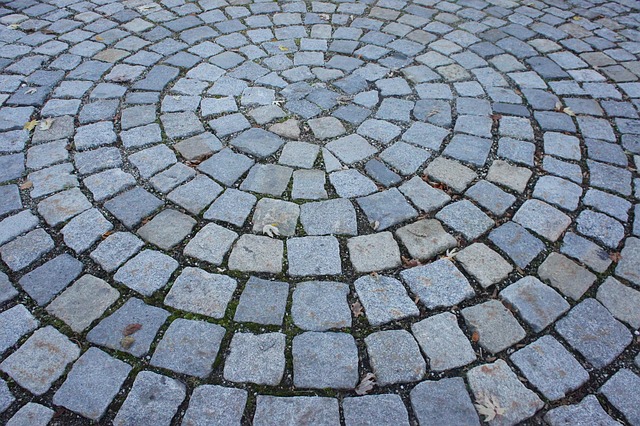
- Artistic Paving: Incorporating intricate designs and patterns into paved surfaces to enhance urban aesthetics.
Economic Considerations
Market Dynamics
The paving project timeline in Albany is influenced by several economic factors:
- Material Costs: Fluctuations in the prices of asphalt, concrete, and labor can significantly impact project budgets.
- Labor Availability: Skilled labor shortages may lead to increased construction times and costs.
- Market Demand: The need for road repairs or new infrastructure projects drives market demand, creating opportunities for contractors.
Investment Patterns
Local governments in Albany often partner with private sector investors to fund paving initiatives, leveraging public-private partnerships (PPPs) to expedite projects. These collaborations bring expertise and financial resources, ensuring timely project completion.
Economic Impact
Well-managed paving projects contribute to:
- Improved Transportation: Efficient road surfaces reduce traffic congestion, benefiting businesses and residents.
- Enhanced Property Values: Improved infrastructure increases the desirability of neighborhoods, potentially boosting property values.
- Job Creation: Paving projects generate employment opportunities for construction workers and related industries.
Technological Advancements
Innovation in Materials
Technological advancements have revolutionized paving materials:
- Self-Healing Asphalt: Engineered to fill small cracks and crevices, extending pavement life and reducing maintenance costs.
- Alkali-Activated Cement: A sustainable alternative, offering superior strength and durability compared to traditional cement.
- Gel-Based Sealers: Enhance the water resistance of pavements, protecting them from damage caused by moisture penetration.
Construction Techniques
- Hot Mix Asphalt (HMA): A common technique using hot aggregate and asphalt cement, allowing for faster installation and better quality control.
- Slurry Sealing: Involves applying a mixture of water and aggregate to fill cracks, providing an effective, low-cost maintenance solution.
- Microsurfacing: Applies a thin layer of bituminous material over existing pavement, extending its life while improving texture and drainage.
Future Potential
The future of paving technology looks promising with:
- 3D Printing of Pavements: While still in the experimental phase, this technology offers precise, customized pavement construction.
- Smart Cities Integration: Pavements equipped with sensors can contribute to smart city initiatives, providing real-time traffic data and enhancing urban mobility.
- Advanced Materials Research: Continued research into composite materials and nano-technologies may lead to even more durable and sustainable paving solutions.
Policy and Regulation
Local Governance
The City of Albany's Department of Public Works plays a pivotal role in overseeing paving projects, ensuring compliance with local building codes and regulations:
- Building Permits: Required for all paved surface construction or renovations, ensuring structural integrity and safety.
- Environmental Regulations: Projects must adhere to environmental guidelines, especially regarding storm water management and erosion control.
- Material Specifications: Local authorities specify material standards to guarantee quality and longevity of the pavement.
National and State Guidelines
National and state governments in the US also influence paving project timelines through:
- Federal Highway Administration (FHWA) Guidelines: Provide national standards for road construction, including pavement design and performance.
- State Transportation Departments: Issue regulations and funding guidelines, often offering technical assistance to local authorities.
- Environmental Impact Assessments: Required for certain projects, ensuring minimal ecological disruption.
Challenges and Criticisms
Common Hurdles
Despite its benefits, the paving project timeline in Albany faces several challenges:
- Budgetary Constraints: Unexpected cost overruns due to material price fluctuations or labor shortages can strain municipal budgets.
- Weather Delays: Adverse weather conditions can significantly impact construction schedules, leading to project backlogs.
- Traffic Management: Controlling traffic during construction presents logistical challenges, potentially causing disruptions and delays.
Criticisms and Solutions
Criticisms of traditional paving methods include environmental impacts and lack of adaptability. To address these:
- Sustainable Practices: Implementing eco-friendly materials and techniques, such as using recycled asphalt millings, can reduce environmental footprints.
- Adaptive Construction: Employing modular pavement systems allows for easier maintenance and repairs, extending the life of paved surfaces.
- Public Engagement: Involving communities in decision-making processes ensures buy-in and supports project acceptance.
Case Studies: Successful Implementations
Case Study 1: The Riverfront Revitalization Project
Albany's riverfront area underwent a transformative paving project that included new pedestrian walkways, bike lanes, and scenic landscaping. This initiative revitalized the once-neglected riverfront, attracting local businesses and tourists alike. The project's success lies in its holistic approach, integrating pavement design with urban planning, environmental sustainability, and community engagement.
Case Study 2: Smart City Pavement Pilot
The city experimented with smart pavement technology on a major thoroughfare, installing sensors to monitor traffic flow, road conditions, and parking availability. This real-time data improved traffic management, reduced congestion, and enhanced the overall urban experience. The project's success demonstrated the potential of integrating paving infrastructure with smart city initiatives.
Future Prospects
Growth Areas
The future of paving project timelines in Albany looks promising, with several growth areas:
- Sustainable Infrastructure: Continued focus on eco-friendly materials and practices to meet environmental standards.
- Smart City Integration: Expansion of smart pavement technology, benefiting from the city's growing network of connected devices.
- Resilient Pavements: Developing durable, resilient paving solutions to withstand extreme weather events and heavy traffic.
Emerging Trends
- Data-Driven Planning: Utilizing big data analytics to predict maintenance needs, optimize traffic patterns, and enhance overall urban mobility.
- Autonomous Construction Vehicles: The emergence of self-driving construction equipment may revolutionize paving construction efficiency.
- Digital Twin Technology: Creating digital replicas of paved surfaces for remote monitoring and predictive maintenance.
Strategic Considerations
- Public-Private Partnerships (PPPs): Continuing to leverage PPPs for cost-effective project delivery and knowledge sharing.
- Community Involvement: Encouraging community participation in planning and design to foster a sense of ownership and support.
- Continuous Training: Investing in training programs for construction professionals to stay updated with the latest technologies and best practices.
Conclusion
The paving project timeline in Albany is a dynamic process, continually evolving to meet the city's changing transportation needs while navigating economic, technological, and regulatory landscapes. By embracing sustainable practices, innovative materials, and smart city integration, Albany sets an example for urban development worldwide. As the city continues to grow and transform, its commitment to high-quality, efficient paving projects will remain vital, shaping a vibrant and resilient future.
FAQ Section
Q: How do weather conditions impact paving project timelines?
A: Adverse weather, especially during construction, can cause delays. Extreme temperatures may affect material performance, while heavy rainfall or snow can halt work temporarily. Weather-responsive scheduling and material selection are essential to mitigate these impacts.
Q: What is the role of technology in modern paving projects?
A: Technology plays a pivotal role, offering innovative materials like self-healing asphalt and smart city integrations. It enhances efficiency through precise construction techniques, real-time monitoring, and data-driven decision-making.
Q: How can Albany ensure sustainable paving practices?
A: By adopting eco-friendly materials, such as recycled asphalt and alkali-activated cement, and implementing adaptive construction methods, Albany can reduce its environmental footprint. Public awareness campaigns and partnerships with environmental organizations also contribute to sustainability goals.
Q: What are the benefits of community engagement in paving projects?
A: Community involvement fosters project acceptance, ensures local needs are met, and promotes a sense of ownership. It leads to more successful and sustainable outcomes, as residents actively participate in shaping their urban environment.