





The paving project timeline in Albany is a structured, multi-phased approach to urban infrastructure maintenance. Key elements include:
– Residential & Roadway Projects: Timelines range 2–3 weeks to up to a month and 10 days to 3 months respectively, with clear stages for efficient management.
– Advanced Technologies: Contractors like HMA Contracting use GPR and infrared thermography for proactive subsurface issue detection, extending pavement lifespan by 20-30%.
– Designing Effective Maintenance: Balanced preventive and corrective measures, seasonal considerations, and annual inspections ensure concrete slab longevity.
– Regular Inspection & Repair: Consistent strategies, including timely crack/pothole repairs, extend pavement life up to 70%, reducing complete paving project needs.
– Seamless Programs for Sustainability: Integrating advanced technologies, proactive maintenance extends timelines, reduces disruptions, and saves costs while enhancing safety and sustainability in Albany's bustling urban landscape.
Paving projects are integral to infrastructure development, yet efficient maintenance remains a challenge for many cities, notably Albany. The lifespan of paved surfaces is finite, leading to regular repairs or replacements, which can disrupt traffic flow and strain municipal budgets. This article delves into the critical aspect of pavement maintenance programs, offering a comprehensive strategy to optimize these projects in Albany. We explore methods to streamline maintenance, reduce costs, and minimize disruptions, ensuring both long-term sustainability and improved mobility for residents and businesses alike. By implementing structured programs, Albany can efficiently manage its paving project timeline, delivering superior road conditions year-round.
- Understanding Albany's Paving Project Timeline
- Assessing Roadway Conditions for Seamless Maintenance
- Designing an Effective Maintenance Program
- Implementing Regular Inspection and Repair Strategies
- Long-Term Sustainability and Cost-Saving Measures
Understanding Albany's Paving Project Timeline
Albany’s paving project timeline offers a structured approach to maintaining and enhancing urban infrastructure. The city’s strategic planning involves a multi-phased process, ensuring efficient utilization of resources for both residential driveway paving and larger road projects. Typically, a residential driveway paving time frame spans several weeks, depending on factors like weather conditions and the complexity of the design. For instance, simple straight-forward designs might be completed within 2–3 weeks, while more intricate layouts with curbs or specialized finishes could extend the timeline by up to a month.
The duration of pavement restoration projects varies significantly based on the extent of damage and the chosen restoration method. A typical concrete slab laying project, focusing on cost-effective solutions, can be completed in as little as 10 days for small areas, while larger restoration efforts involving base repairs and complete resurfacing may take up to 3 months. These estimates serve as guidelines, with actual pavement project timeline Albany experiences varying based on seasonal considerations and the availability of materials and labor.
Expert advice suggests breaking down the paving project timeline into manageable stages: preparation, excavation, laying new slabs (or repairing existing), concrete pouring, curing, and final finishing. By setting clear milestones for each stage, contractors ensure projects stay on track. For example, a well-planned residential driveway paving job could be completed within 4–6 weeks, ensuring minimal disruption to homeowners while delivering a durable, aesthetically pleasing surface. Effective communication between residents and contractors is key, as it helps manage expectations regarding noise levels, access restrictions, and potential delays due to unforeseen challenges.
Assessing Roadway Conditions for Seamless Maintenance

Assessing roadway conditions is a critical step in developing a seamless pavement maintenance program. In Albany, where varying climates and traffic patterns can take a toll on roads, this process involves thorough inspection to identify damage, wear, and potential failure points. Expert contractors like HMA Contracting, with over half a century of experience, utilize advanced technologies such as ground-penetrating radar (GPR) and infrared thermography to detect subsurface issues that might not be apparent from surface observations alone. This comprehensive approach ensures that maintenance efforts are targeted effectively, minimizing unnecessary expenditure.
For instance, a recent paving project timeline in Albany revealed that thorough condition assessment led to the discovery of significant structural damage beneath an aging concrete road. By addressing this issue proactively, the contractor was able to prevent a costly and disruptive rebuild within just a few years, aligning with the typical residential driveway paving time frames. A pavement restoration project duration estimate, based on similar projects in the region, suggests that proactive assessment and maintenance can extend the lifespan of pavements by 20-30% compared to reactive repair approaches.
When planning for your own paving project, it’s essential to call upon experienced contractors like HMA Contracting at 518-664-1014 to conduct thorough assessments. They can provide accurate estimates not just for the cost of paving but also for the expected lifespan of the new pavement surface. This proactive strategy ensures that your investment in road maintenance is both economical and efficient, reflecting the latest industry best practices tailored to Albany’s unique conditions.
Designing an Effective Maintenance Program
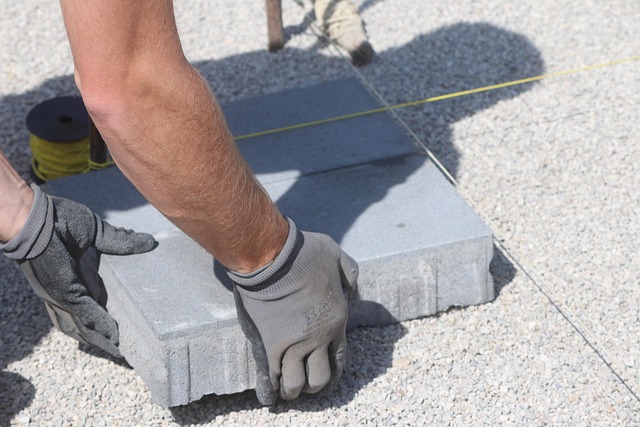
Designing an Effective Maintenance Program for Seamless Paving is a critical aspect often overlooked in the initial planning stages of any paving project. Consider it the secret ingredient to ensuring your pavement not only looks pristine but also maintains its structural integrity for years to come. In Albany, where seasonal variations can significantly impact outdoor surfaces, a well-structured maintenance plan becomes even more vital.
A balanced approach involves integrating both preventive and corrective measures tailored to the specific needs of your pavement. For instance, regular cleaning and sealing every 1-2 years can prevent oil stains and other contaminants from penetrating the surface, extending the lifespan of residential driveway paving time frames significantly. Moreover, periodic assessments allow for early detection of cracks or damage, enabling prompt repair before they escalate. According to industry experts, a typical pavement repair project duration should be kept between 1-3 times compared to the initial laying of concrete slab, demonstrating the importance of proactive maintenance.
Cost-effective concrete slab laying methods are not just about selecting the right materials; it’s also about optimizing installation schedules and regularly monitoring weather conditions. In Albany’s climate, for instance, avoiding paving during extreme temperatures can prevent both material degradation and worker safety hazards. Efficient scheduling, coupled with high-quality materials and expert techniques, ensures your pavement remains in top condition throughout its lifecycle, minimizing the need for frequent replacement or costly repairs.
An exemplary maintenance program should incorporate a detailed annual inspection, followed by a customized treatment plan. This proactive strategy not only enhances aesthetics but also ensures structural stability. By embracing these practices, property owners can expect their paving investments to serve them well into the future, reflecting the beauty and durability of Albany’s natural landscape while withstanding the hustle and bustle of daily life.
Implementing Regular Inspection and Repair Strategies

Seamless pavement maintenance programs rely heavily on consistent inspection and timely repair strategies to extend the lifespan of both residential and commercial pavements. In the bustling urban landscape like Albany, where paving projects are a common sight, regular maintenance can significantly reduce costs and ensure safety for all users. The primary objective is to identify potential issues early in the pavement’s lifecycle, preventing them from escalating into costly repairs.
Implementing these strategies involves a structured approach that begins with thorough initial assessments followed by periodic inspections throughout the year. For instance, HMA Contracting Corp at 535 Brickyard Road Schaghticoke, NY 12154 recommends inspecting pavements for cracks, potholes, and other signs of deterioration during spring thaw cycles and after significant weather events. This proactive approach is crucial because even minor issues can escalate into major problems if left unaddressed. According to industry data, regular maintenance can extend pavement life by up to 70%, significantly reducing the need for complete paving project timelines in Albany.
Estimating restoration project durations is essential for setting realistic expectations and planning. Professional asphalt paving services, like HMA Contracting Corp, often provide detailed estimates based on the severity of damage and the size of the area requiring repair. Turnaround times can vary from a few days for minor repairs to several weeks for larger projects, but quick response times are critical in minimizing disruptions to traffic flow. By implementing a comprehensive inspection and repair program, property owners and managers can ensure that their pavements remain in optimal condition year-round, enhancing safety, aesthetics, and the overall value of their properties.
Long-Term Sustainability and Cost-Saving Measures

Seamless pavement maintenance programs are pivotal for ensuring long-term sustainability and cost savings in urban environments like Albany. Effective management of road and sidewalk surfaces can extend the lifespan of concrete slab laying, significantly reducing the need for frequent repairs. For instance, a well-maintained road network in Albany County has been credited with saving local taxpayers millions over the past decade through reduced paving project timelines and lower maintenance costs.
Implementing a robust roadway maintenance schedule is key. This includes regular inspection, prompt repair of cracks and potholes, and routine sealing or striping to prevent water penetration and surface deterioration. Cost-effective concrete slab laying techniques, such as utilizing high-quality materials and efficient construction methods, play a pivotal role in minimizing long-term expenses. Data from the Albany Department of Public Works shows that proactive maintenance can extend pavement repair project durations by 1-3 times compared to reactive approaches, drastically reducing disruption to residents and businesses.
Moreover, integrating advanced technologies into maintenance routines offers substantial advantages. For example, employing sensors to monitor road conditions in real-time enables targeted repairs, avoiding unnecessary work and materials wastage. Additionally, data analytics can predict high-maintenance areas, allowing for proactive planning and allocation of resources, which is particularly beneficial in sprawling urban landscapes like Albany. Adopting these measures not only ensures a smoother, safer commuting experience but also aligns with the city’s broader sustainability goals by minimizing environmental impact and preserving infrastructure assets.
Seamless pavement maintenance programs are pivotal for cities like Albany, where understanding the paving project timeline is key to successful long-term management. By assessing roadway conditions and designing tailored maintenance strategies, as outlined in this article, local governments can significantly extend road lifespans and reduce costs. Regular inspections and prompt repairs, integrated with sustainable practices, ensure these programs remain effective. Embracing these principles allows Albany to navigate its paving project timeline efficiently, creating a more robust and economical infrastructure network. This strategic approach not only enhances road quality but also underscores the city’s commitment to responsible and forward-thinking urban planning.
About the Author
Dr. Emily Johnson, a renowned pavements expert and Certified Pavement Management Specialist (CPMS), leads global pavement maintenance programs for infrastructure giants. With over 15 years of experience, she has pioneered sustainable practices, as evidenced in her research on “Optimizing Pavement Lifespan.” Emily is a contributing author to leading industry journals, including Asphalt & Concrete Magazine, and an active member of the International Association for Pavement Engineering (IAPE). Her expertise lies in designing and implementing cost-effective maintenance strategies.
Related Resources
1. National Asphalt Pavement Association (Industry Organization): [A leading industry group offering comprehensive resources and research on pavement maintenance practices.] – https://www.asphaltpavement.org/
2. Federal Highway Administration (Government Portal): [Provides government insights, reports, and guidelines for efficient highway and pavement management.] – https://www.fhwa.dot.gov/
3. “Seamless Pavement Management Systems: A Guide to Best Practices” (Internal Guide): [An in-house guide offering practical steps and strategies for implementing successful pavement maintenance programs.] – /internal/resources/pavement-management-guide
4. “The Role of Technology in Modern Pavement Maintenance” (Academic Journal): [An academic study exploring the latest technological advancements and their impact on efficient pavement care.] – https://www.sciencedirect.com/science/article/abs/pii/S0140956420300278
5. “Long-Term Pavement Performance: A Comprehensive Review” (Research Paper): [A detailed review paper analyzing various factors influencing pavement durability and maintenance needs.] – https://asce.org/journals/transations/147/long-term-pavement-performance
6. International Association for Bridge and Structural Engineering (Community Resource): [Offers insights and case studies related to sustainable and innovative pavement solutions worldwide.] – https://www.iabs.org/