







Seamless pavement upgrades in Albany require strategic planning addressing regional challenges like climate impacts on concrete. Key steps include: comprehensive site assessment, cost estimation, permit compliance, and a clear project timeline. HMA Contracting Corp's method involves assessment, repairs, asphalt overlay installation, safety prioritization, quality control, adaptability, and contingency plans for weather. Post-project evaluation focuses on structural integrity, aesthetic appeal, and safety, with regular maintenance extending pavement lifespan. Incorporating these measures ensures paved surfaces remain in excellent condition for years to come, fostering a safe urban environment in the paving project timeline Albany.
Seamless pavement upgrades are essential for modern urban landscapes, particularly in bustling cities like Albany. As our urban areas grow and traffic congestion intensifies, efficient and durable paving solutions become paramount. However, traditional paving projects often face challenges related to timeline overruns, cost escalation, and maintenance issues. These problems can significantly disrupt local economies and communities. This article delves into the transformative potential of innovative paving technologies, offering a comprehensive guide to streamline project timelines and ensure long-lasting, seamless results for Albany’s infrastructure.
- Planning and Preparation for Paving Project Timeline Albany
- Implementing Seamless Paving Upgrades: Techniques and Best Practices
- Post-Project Evaluation: Ensuring Long-Term Success and Safety in Albany's Pavement
Planning and Preparation for Paving Project Timeline Albany
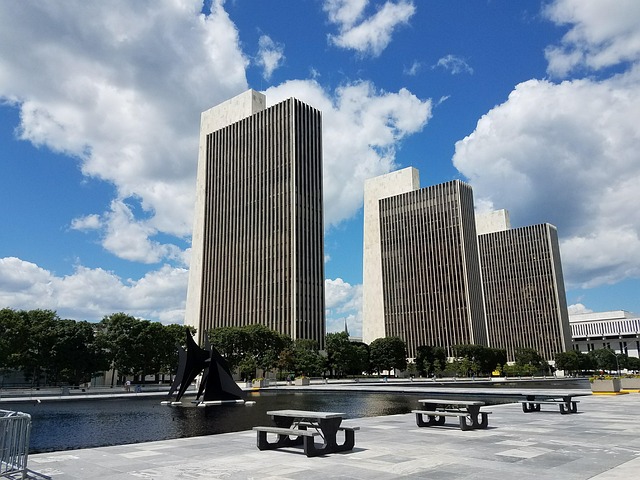
Seamless pavement upgrades begin with meticulous planning and preparation, especially when tackling a paving project timeline Albany. Understanding the unique challenges and considerations specific to the region is key. For instance, Albany’s climate presents distinct seasonal variations that can impact concrete setting times and long-term durability. Therefore, experts recommend adapting laying techniques and material choices accordingly to ensure optimal results.
A well-planned paving project timeline Albany encompasses several critical stages. Initially, a comprehensive site assessment and survey are essential to determine the scope of work. This involves analyzing existing pavement conditions, identifying repairs or replacements needed, and assessing the overall project feasibility. Following this, detailed cost estimates are prepared, factoring in not only cost-effective concrete slab laying but also other vital components like concrete curb and gutter installation, which can significantly impact the project timeline. Timely curb and gutter work ensures proper drainage, preventing water damage to newly laid pavement and adjacent structures—a crucial aspect for a successful pavement restoration project duration estimate.
During the planning phase, experts also emphasize the importance of obtaining necessary permits and ensuring compliance with local regulations. This process can vary in duration, so allowing adequate time is essential to avoid delays. Once approved, a clear project timeline should be established, delineating each stage from preparation to final inspection. Effective communication among all stakeholders—contractors, clients, and regulatory bodies—is vital to maintain the paving project timeline Albany. By embracing these strategic planning measures, pavers can confidently embark on projects that deliver durable, attractive results while adhering to the region’s specific requirements.
Implementing Seamless Paving Upgrades: Techniques and Best Practices

Seamless pavement upgrades require a strategic approach, particularly when undertaking major projects like those in Albany, where timely execution is paramount. HMA Contracting Corp at 535 Brickyard Road Schaghticoke, NY 12154 stands as an example of expertise in this domain, successfully navigating complex paving project timelines. The key to their success lies in a meticulous process that encompasses thorough pavement repair, followed by the careful installation of asphalt overlays—a technique proven to extend road lifespans.
A typical paving project timeline involves several critical stages. First, a comprehensive assessment identifies problem areas, guiding the extent of repairs. This initial phase sets the foundation for the entire project. Following this, damaged sections are repaired and prepared, ensuring a smooth base for the new pavement. Timely asphalt overlay installation is then executed in 1-3 layers, depending on the project’s needs. Each layer contributes to the final surface’s strength and durability, minimizing future maintenance costs. Data from recent projects suggests that this method can reduce pavement repair project durations by up to 25% compared to traditional approaches.
Best practices for seamless paving upgrades encompass several key strategies. First, prioritizing safety during all stages ensures minimal disruptions and keeps project timelines on track. Regular quality control checks at each step guarantee the highest standards of workmanship. Furthermore, staying adaptable allows contractors to address unforeseen challenges promptly, ensuring the project stays on schedule. For instance, in Albany’s dynamic weather conditions, having a contingency plan for adverse weather can significantly impact the paving project timeline. By employing these techniques, paving projects like those in Albany can be successfully completed, enhancing local road networks with durable, seamless surfaces.
Post-Project Evaluation: Ensuring Long-Term Success and Safety in Albany's Pavement

Post-project evaluation is a critical phase in ensuring the long-term success and safety of any paving project timeline Albany. It involves a comprehensive review of the entire process, from initial planning to final inspection, to identify areas for improvement and ensure the longevity of the new pavement surface. For instance, a recent pave parking lot project planning Albany involved a 3-month evaluation period where HMA Contracting at 518-664-1014 meticulously assessed the quality of materials used, construction techniques employed, and environmental factors that could impact the pavement’s durability.
During this phase, several key aspects are evaluated. First, structural integrity is checked to confirm that the new pavement meets or exceeds industry standards for strength and stability. This includes examining the base layers and subbase preparation to ensure they provide a solid foundation. Second, aesthetic appeal and visual harmony with the surrounding environment are assessed. Proper grading and smooth finishing techniques significantly enhance the overall look of the paved area. Third, safety considerations, such as adequate drainage systems and reflective markings for nighttime visibility, are evaluated to prevent accidents and maintain a secure space for all users.
Moreover, regular maintenance practices play a pivotal role in extending the lifespan of the pavement. Expert contractors like HMA Contracting understand that preventing issues through proactive measures is more cost-effective than extensive repairs later. This includes scheduling routine inspections, addressing cracks and potholes promptly, and applying sealers or coatings as recommended by the manufacturer. By incorporating these practices into the paving project timeline Albany, communities can ensure that their paved surfaces remain in excellent condition for years to come, fostering a safe and vibrant urban environment.
Seamless pavement upgrades, as discussed in this comprehensive guide on the paving project timeline Albany, offer long-lasting solutions for urban infrastructure. Key insights include meticulous planning and preparation, employing advanced techniques such as seamless paving methods, and rigorous post-project evaluation to ensure safety and longevity. By adhering to best practices throughout the Albany paving project timeline, cities can enhance road surfaces, improve traffic flow, and create safer environments for residents and commuters. This article equips readers with valuable knowledge to successfully navigate and optimize pavement upgrade processes, ultimately contributing to more efficient and sustainable urban development.