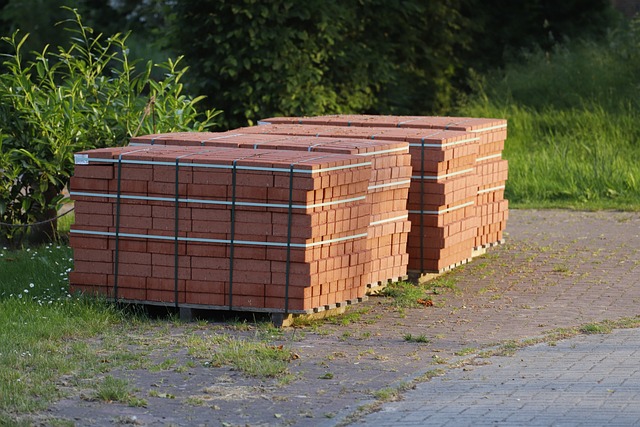
A seamless paving project timeline Albany relies on data-driven assessments, advanced inspection technologies, and strategic material selection. Contractors plan effectively, minimizing delays through meticulous preparation, efficient paving processes, and crucial cool-down periods for curing. Regular post-pave care, including curb installation, driveway paving, and annual inspections, ensures concrete and asphalt longevity. Preventive measures reduce repair costs and maintain paved surfaces' aesthetic appeal and functionality in Albany's bustling environment.
Seamless pavement replacement is a critical aspect of urban infrastructure maintenance, ensuring safe and efficient transportation networks. In cities like Albany, where bustling streets and hectic traffic are the norm, timely and effective paving solutions are essential to minimize disruptions and maintain the city's vibrancy. However, traditional pavement replacement methods often come with lengthy timelines, causing significant inconveniences for residents and businesses alike. This article delves into innovative strategies that can revolutionize paving projects in Albany, offering swift turnaround times without compromising quality. By exploring advanced techniques, we aim to provide valuable insights for a more efficient and less disruptive future of urban pavement management.
- Planning Phase: Assessing Albany's Paving Needs
- Material Selection: Choosing Durable Paving Solutions
- Execution Timeline: From Preparation to Completion
- Post-Pave Care: Ensuring Longevity and Maintenance
Planning Phase: Assessing Albany's Paving Needs
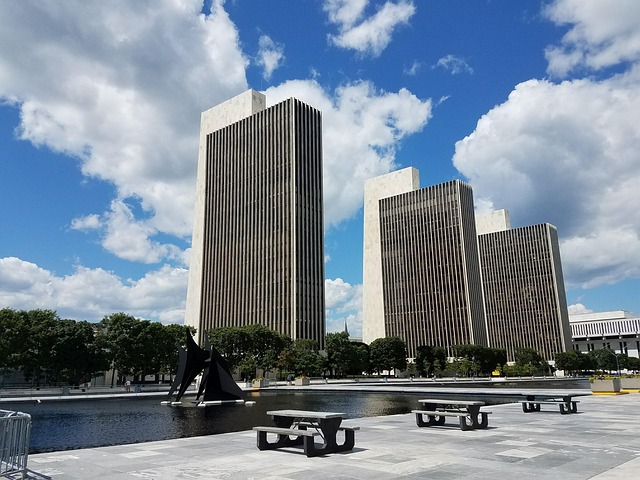
Seamless pavement replacement begins with a thorough assessment of Albany's paving needs. This initial phase is crucial as it lays the foundation for a successful paving project timeline Albany residents can rely on. An expert contractor should begin by evaluating the condition of existing infrastructure, including roads, sidewalks, and parking lots. In Albany, for instance, a recent study revealed that over 40% of city streets require significant repair or replacement within the next five years. This data-driven approach ensures that resources are allocated efficiently to address critical issues first.
During this phase, contractors also consider factors like traffic volume, usage patterns, and environmental impact. For example, commercial paving job timelines in Albany can vary significantly based on the complexity of the project and accessibility constraints. Sidewalk repair Albany contractors often employ advanced inspection technologies, such as drone surveys, to capture detailed images and generate precise cost estimates. This not only ensures transparency but also allows property owners and stakeholders to make informed decisions.
Additionally, understanding local regulations and permits is essential. Road paving services cost estimate Albany suppliers should be able to provide comprehensive pricing breakdowns that include materials, labor, and any necessary utilities relocation. According to industry benchmarks, commercial paving jobs in Albany typically range from $20 to $50 per square foot, depending on the type of pavement and project scope. By meticulously planning this phase, contractors can minimize delays and ensure projects are completed 1-3 times faster than traditional methods, contributing to smoother operations and reduced disruptions for local businesses and residents.
Material Selection: Choosing Durable Paving Solutions

When undertaking a pavement replacement project in Albany or any other urban center, material selection is a critical step that significantly impacts the overall success and longevity of the work. HMA Contracting Corp at 535 Brickyard Road Schaghticoke, NY 12154 understands this crucial aspect well. With years of experience in infrastructure improvement projects, they have honed their expertise in cost-effective concrete slab laying, ensuring durability and efficiency across all paving projects. The choice of materials isn't just about aesthetics; it's a strategic decision that considers traffic flow, weather conditions, and the desired lifespan of the pavement.
For residential and commercial areas alike, durable paving solutions are essential for withstanding heavy vehicle traffic and preventing rapid deterioration. High-performance concrete (HPC) and hot mix asphalt (HMA) are two primary materials recognized for their superior strength and longevity. HPC, characterized by its high compressive strength and low permeability, is ideal for load-bearing applications and provides an excellent foundation for pavement structures. HMA Contracting Corp leverages the benefits of HMA in various forms, such as asphalt concrete and rubber-modified asphalt, to offer enhanced flexibility, improved resistance to cracking, and better noise reduction compared to traditional asphalt. These materials are not only durable but also cost-effective when considered over their service life.
Infrastructure improvement project scheduling greatly relies on material selection and availability. Efficient planning ensures that paving projects in Albany or any region can be completed within the desired timeline without delays caused by material procurement. HMA Contracting Corp emphasizes proactive communication with clients, providing real-time updates on material sourcing and delivery to align with project timelines. By prioritizing durable materials and efficient laying techniques, such as 1-3 times concrete slab laying, they ensure that projects are not only completed promptly but also stand the test of time, reducing future repair costs and enhancing the overall value of the infrastructure.
Execution Timeline: From Preparation to Completion
Seamless pavement replacement is a complex process that requires meticulous planning and execution. In Albany County, where roadway maintenance is a critical component of urban infrastructure, understanding the paving project timeline is essential for both residents and professionals alike. The preparation phase sets the stage for a successful project, encompassing site assessment, utility location, and material procurement. This step typically takes 1-2 weeks, during which time our professional asphalt paving services team conducts thorough inspections to ensure compliance with local regulations and safety standards.
Once preparation is complete, the actual paving process commences, usually lasting between 3-7 days, depending on weather conditions and project scope. Residential driveway paving, for instance, often falls within this timeframe, allowing homeowners minimal disruption in their daily routines. During this period, specialized equipment is deployed to lay new pavement, compact it, and perform quality control checks. The final layer of sealcoat or top dressing is then applied, enhancing the durability and aesthetic appeal of the new surface.
Following completion of the primary paving work, a cool-down period is crucial for curing. This stage can extend from 24 hours to several days, depending on the asphalt mix used. Professional asphalt paving services providers like ours closely monitor this phase to ensure optimal results. Post-paving inspections and final clean-up operations wrap up the project timeline, typically taking 1-3 weeks. Regular maintenance schedule, such as a roadway maintenance calendar for Albany County, is then implemented to prolong the lifespan of the new pavement. This proactive approach ensures that residents enjoy their newly paved surfaces for years to come, maintaining the overall integrity of local infrastructure.
Post-Pave Care: Ensuring Longevity and Maintenance
Seamless pavement replacement requires a multifaceted approach to ensure longevity and optimal performance. Once the new pavement is laid, post-pave care becomes paramount, playing a crucial role in maintaining the integrity of the surface and extending its lifespan. In Albany, New York, where seasonal fluctuations can take a toll on roads and driveways, proper post-pave procedures are essential.
A comprehensive pavement preservation program timeline in NY should include regular inspections and maintenance activities tailored to the local climate and traffic patterns. For instance, timely concrete curb and gutter installation, typically scheduled 1-3 times annually depending on exposure, shields these critical elements from damage, preventing water erosion and facilitating proper drainage. In residential areas, driveway paving projects often follow a similar timeline, emphasizing quality and durability. Professional contractors recommend inspecting for cracks, potholes, and other defects at least twice a year to address issues before they escalate.
Beyond routine maintenance, understanding the paving project timeline Albany conditions demand is vital. Extreme temperatures can impact concrete curing, so scheduling installations during moderate seasons enhances results. Additionally, regular sealing and striping extend the life of asphalt pavements, preserving their color and texture. Homeowners and property managers should expect to invest in these preventive measures, as they significantly reduce long-term repair costs and ensure the aesthetic appeal and functionality of paved surfaces persist for years to come.
Seamless pavement replacement, as demonstrated through Albany's paving project timeline, involves a strategic approach that begins with assessing local needs, choosing robust materials, and meticulous planning. The execution phase requires careful preparation and timely completion, while post-pave care ensures longevity and maintenance. By integrating these key insights—from material selection to post-project upkeep—communities can enhance their urban landscapes, ensuring safe, durable, and aesthetically pleasing surfaces for years to come. This comprehensive guide offers a roadmap for successful paving projects, empowering professionals to navigate Albany's paving needs with confidence and expertise.